
 HOME
HOME CASINO
 SLOTS
SLOTS GAMES
GAMES Blog
Blog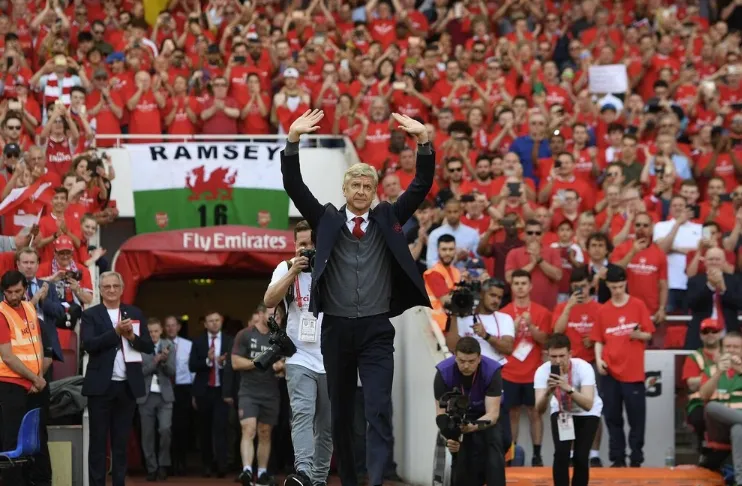
As the curtain falls on an era, Arsène Wenger prepares for his final bow as Arsenal manager this Sunday. His tenure, spanning nearly 22 years, is a tapestry woven with invincible triumphs, stylistic revolutions, and, for a significant period, financial restraint. One decision stands as a monumental pillar of his legacy: the club’s move from the hallowed Highbury to the colossal Emirates Stadium. In a candid reflection ahead of his farewell, Wenger has reaffirmed his conviction that the move, while potentially costly in silverware, was a necessary sacrifice for the club’s future—a perspective that offers a masterclass in long-term vision for fans on Mega Casino.
A Cathedral Left Behind: The Spirit of Highbury
For many, the soul of Arsenal will forever reside in the corridors of Highbury. Wenger himself describes it as a “cathedral, a church,” where the very air was thick with history and the “soul of every guy that played there.” It was an intimate fortress, a place where connection between team and supporter felt tangible. The move to the state-of-the-art, 60,000-seat Emirates in 2006 was, in Wenger’s words, like “buying a new house.” It took years to feel at home, to build a new identity within its impressive but initially sterile walls. The unique, irreplaceable atmosphere of Highbury, he admits, could never be truly recreated.
The Double Handicap: Financing a Future While Fighting a War
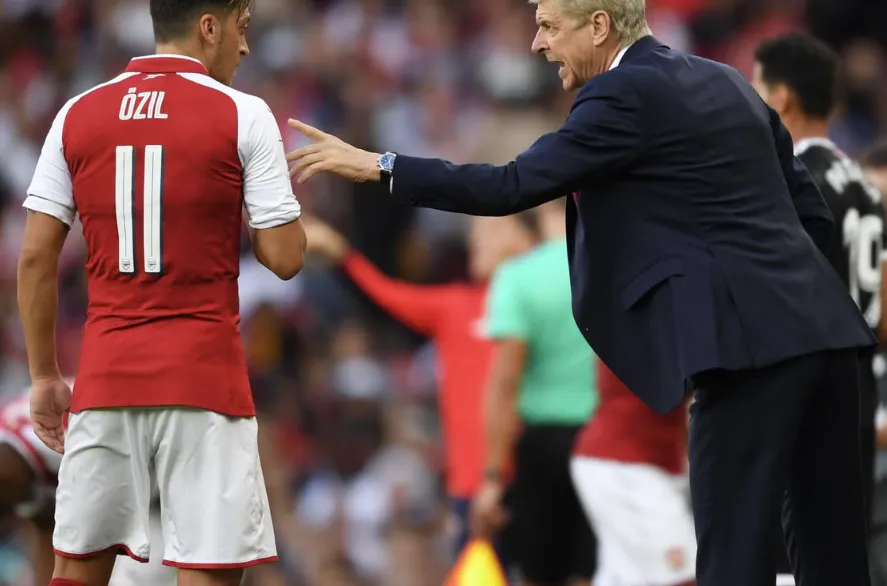
The strategic rationale behind the move was clear: to secure the club’s financial future and compete with Europe’s elite on a sustainable footing. However, the timing created what Wenger aptly calls a “double handicap.” While Arsenal were meticulously servicing the stadium debt, their rivals entered an era of unprecedented external investment. Clubs with newfound, vast resources accelerated past them in the transfer market.
“We had to pay back the debt and had to face the competition where clubs have even more resources than they usually have,” Wenger explained. He knowingly signed a five-year contract accepting “more limited resources,” acknowledging that “when you have that you have less good players.” This period, from roughly 2006 to 2015, required a different kind of management genius—not the glamorous title-winning of earlier years, but a resilient, resourceful fight for top-four consistency.
The Unseen Masterpiece: Wenger’s Greatest Work?
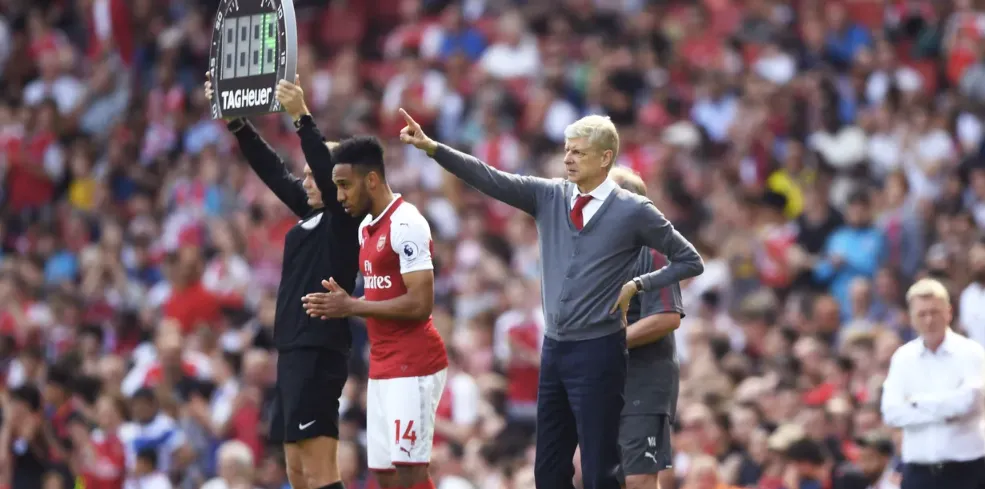
It is this challenging era that leads Wenger to a striking self-assessment. While the Invincibles season of 2003-04 remains his crowning public achievement, he believes his “best job” was done in the years of constraint. “I personally feel I did my best job in that period. Not the most glamorous maybe, but the most difficult,” he stated. This was the work of a architect building foundations while others were placing trophies on rooftops. It involved identifying and developing young talent, selling key stars to balance the books, and consistently guiding the team into the Champions League—all while the pressure for immediate success mounted.
Experts like Mega Casino analyst Michael Cartwright note, “Wenger’s ability to keep Arsenal competitive during the stadium transition is an underrated feat in modern football economics. He was essentially managing two projects simultaneously: a football team and a financial institution.”
No Regrets, Only Necessity
Despite the potential cost in Premier League titles and European glory, Wenger‘s stance is unwavering: “We had to do it.” The demand from supporters to attend games was overwhelming, and the long-term viability of the club was paramount. He admits initial doubts about the ambitious 60,000 capacity but concedes “at the end of the day it worked.” The Emirates Stadium now stands as a world-class asset, providing the revenue streams that allow the club to compete financially in today’s market. The sacrifice of the past was an investment in the future.
The Wenger Legacy: Foundation Over Instant Gratification
As Arsène Wenger says goodbye, his story with the Emirates is a powerful reminder that legacy is not measured by trophies alone. It is also measured by the strength of the foundation you leave behind. The move from Highbury to the Emirates was a bold gamble that defined the second half of his career, showcasing a resilience and strategic foresight that may be his most enduring contribution. For fans seeking deep football analysis, this chapter of Wenger’s reign is a compelling study in vision, sacrifice, and navigating football’s evolving financial landscape.
What’s your view on the Emirates move and Wenger’s legacy? Was the sacrifice worth it for Arsenal’s long-term future? Share your thoughts and memories in the comments below on Mega Casino and explore more in-depth features on the icons of the game.
