
 HOME
HOME CASINO
 SLOTS
SLOTS GAMES
GAMES Blog
Blog
As the current season unfolds, football fans across Europe find themselves captivated by the creative brilliance of modern playmakers. The art of providing assists has become one of the most celebrated metrics in the beautiful game, measuring vision, timing, and selfless teamwork. As an analyst at Mega Casino, I’ve spent countless hours dissecting passing statistics, comparing eras, and watching match footage to bring you a comprehensive look at the most prolific assist seasons in European soccer history. Whether you’re a die-hard fan or a casual observer, understanding these record-breaking campaigns offers a fascinating glimpse into how the game has evolved from the free-flowing 1990s to today’s data-driven tactical battles.
The All-Time Record Holders
Thierry Henry’s Record-Breaking 2002-03 Campaign
The legendary Thierry Henry set the Premier League gold standard during the 2002-03 season with an astonishing 20 assists for Arsenal. What made this achievement so remarkable was not just the number, but the context. Henry wasn’t a traditional playmaker; he was a striker operating from the left flank. His ability to drift inside, draw defenders away from their positions, and create space for teammates like Robert Pires and Freddie Ljungberg redefined the forward position entirely.
Dr. James Whitmore, a football analytics historian at the University of Manchester, notes: “Henry’s assist tally that season came from a combination of factors rarely seen together. His pace terrified defenders into sitting deep, his dribbling forced double-teams, and his decision-making was impeccable. The 2002-03 Arsenal team scored 85 goals, and Henry was directly involved in over 50% of them. That’s generational impact.”
The system manager Arsène Wenger employed was built on fluid movement and quick passing triangles. Henry’s understanding with Dennis Bergkamp created a telepathic connection that opponents simply couldn’t decode. Every defender knew what was coming, yet they were powerless to stop it.
Lionel Messi’s 2019-20 La Liga Masterclass
While many associate Messi primarily with goal-scoring, his 2019-20 season in La Liga saw the Argentine magician provide 21 assists in just 33 appearances for Barcelona. This wasn’t just about hitting a number; it was about averaging 0.64 assists per game, a rate that surpasses most players’ career totals.
During that campaign, Messi played in a Barcelona side struggling with structural issues. The team’s midfield was aging, the defense was inconsistent, and managerial changes created uncertainty. Yet Messi’s genius adapted. He dropped deeper to receive the ball, played defense-splitting passes from unconventional positions, and elevated teammates like Antoine Griezmann and Ansu Fati to new heights.
Mega Casino analysts have studied the positional data from that season extensively. Messi completed more through balls than any other player in Europe’s top five leagues combined. His spatial awareness allowed him to find angles that didn’t seem to exist on the pitch. The 21-assist mark remains one of the most difficult records to break in modern football.
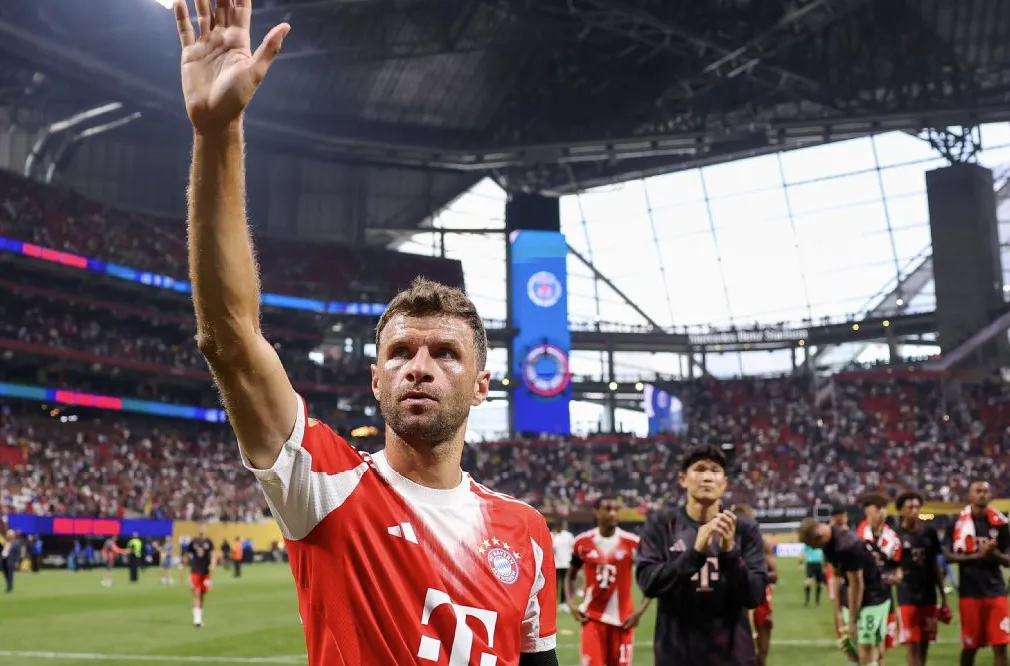
Thomas Müller’s Unique 2019-20 Bundesliga Campaign
Germany’s Thomas Müller provides a fascinating counterpoint to the traditional assist leader profile. The Bayern Munich Raumdeuter, or “space interpreter,” recorded 21 assists in the 2019-20 Bundesliga season, but his method was entirely different from Messi’s creativity or Henry’s directness.
Müller’s genius lies in understanding half-spaces and timing. He doesn’t possess elite pace or dribbling skills. Instead, he reads the game three steps ahead. His runs into channels, quick layoffs, and one-touch passes created opportunities for Robert Lewandowski, Serge Gnabry, and Kingsley Coman throughout that record-breaking campaign.
Bayern’s head coach Hansi Flick built a system that maximized Müller’s unique talents. The team pressed high, recovered the ball quickly, and Müller operated in the zone between midfield and attack where traditional marking systems break down. His 21 assists came from just 33 appearances, underscoring his consistency and reliability as a creative force.
Comparing Across Different European Leagues
Premier League Creators
The English top flight has produced several remarkable assist campaigns. Kevin De Bruyne’s 2022-23 season saw him provide 16 assists for Manchester City, though he had previously recorded 20 in the 2019-20 season. What makes De Bruyne special is his range of passing. He can deliver 60-yard cross-field passes with pinpoint accuracy, slide through balls through tiny gaps, and create chances from set-pieces with equal precision.
Comparing De Bruyne to Henry presents an interesting contrast. While Henry operated primarily on the left, De Bruyne influences play from central and right-sided positions. His ability to strike the ball with both power and curl allows him to create angles that most midfielders cannot achieve.
The modern Premier League has become increasingly physical and tactically sophisticated. Defenses are better organized, pressing more coordinated, and the pace of the game makes every assist harder earned. This makes any player approaching Henry’s record genuinely special.
La Liga’s Creative Legacy
Beyond Messi, La Liga has a rich history of assist providers. Xavi Hernandez regularly produced double-digit assist seasons during Barcelona’s peak years, though his role as a deep-lying playmaker meant his numbers were never as eye-catching as Messi’s. The 2008-09 Barcelona team, under Pep Guardiola, created chances from every position on the pitch.
Xavi’s primary contribution wasn’t always the final pass but the pass before the assist. His ability to switch play, maintain possession, and draw opponents out of position created the platform for Messi and others to thrive. This style of play, known as “positional play” or “Juego de Posición,” emphasized structure and spacing over individual brilliance.
Current La Liga stars like Antoine Griezmann and Vinícius Júnior continue this tradition, though their numbers haven’t yet approached Messi’s single-season mark. The Spanish league’s technical demands reward intelligent movement and precise passing, making it a natural home for creative players.
Bundesliga: A Different Type of Football
German football has always emphasized high-intensity pressing and vertical passing. This creates opportunities for assist providers but in a fundamentally different way. While assist numbers in the Bundesliga can be impressive, they often come from different patterns than in England or Spain.
Mesut Özil’s 2015-16 season saw him provide 19 assists for Arsenal, interestingly in the Premier League, but his time at Werder Bremen and Real Madrid showed the Bundesliga’s capacity for creative play. The league’s faster transition from defense to attack means more counter-attacking opportunities, which often lead to assists.
Mega Casino data reveals that Bundesliga assist leaders typically have fewer touches per game than their counterparts in other leagues. This reflects the league’s philosophy of direct play and quick decision-making. Players must make split-second choices, and the most successful ones develop an intuitive understanding with their teammates.
The Evolution of Playmaking in Modern Football
Tactical Changes Affecting Assist Numbers
The last five years have seen significant tactical evolution across European football. The rise of data analytics has changed how teams approach chance creation. Modern coaches analyze assist networks, passing sequences, and expected assist (xA) metrics with unprecedented detail.
“This has led to more structured attacking patterns,” explains Markus Schmidt, a tactical analyst with the German Football Association. “Teams now understand that certain zones on the pitch produce higher-quality chances. They design attacking movements to get the ball into these zones repeatedly. This might seem like it would increase assist opportunities, but it also makes defenses more predictable in their responses.”
The proliferation of the 4-3-3 and 3-4-3 formations has changed wide player responsibilities. Full-backs like Trent Alexander-Arnold and Andrew Robertson have become primary assist providers, regularly recording numbers that rival traditional wingers. This represents a fundamental shift in how attacking width is created and exploited.
The Role of Analytics in Player Development
Modern scouting and player development have been transformed by analytics. Clubs now track hundreds of variables, including key passes, progressive passes, pass completion under pressure, and chance creation zones. This data influences everything from recruitment to training methods.
Young players coming through academy systems are now taught to understand spatial awareness and timing from an early age. They study video analysis of elite playmakers and practice specific passing patterns hundreds of times. The result is a generation of players more tactically aware than ever before.
However, this data-driven approach has a potential downside. Players can become over-reliant on specific patterns and less able to improvise. The greatest assist providers in history, like Messi and Henry, possessed an element of unpredictability that analytics can’t fully capture.
The Impact of Changing Fitness Standards
Modern footballers are faster, stronger, and more athletic than their predecessors. This affects assist numbers in several ways. Improved fitness means players can maintain high intensity for longer, potentially creating more chances in the final stages of matches. But it also means defenders can recover more quickly, making through balls and breakaways harder to execute.
The pressing intensity of modern football has also changed. Teams press in coordinated units, closing down space and time for creative players. Playmakers must now make decisions under greater pressure than ever before. This explains why players with exceptional close control and quick thinking, like Messi and De Bruyne, continue to dominate assist charts.
Regional Comparisons and Cultural Influences
English Football’s Physical Tradition
English football has historically emphasized physicality over technical wizardry. This cultural approach has influenced how assists are created in the Premier League. Crosses from wide areas, headers from set-pieces, and second balls have traditionally been major sources of assists.
The influx of international players and coaches has changed this dynamic, but the league’s DNA remains. Premier League assists often come from different patterns than in other leagues. The pace of the game means defenders make more mistakes, but they also recover faster than in leagues with slower tempo.
Current trends show Premier League assist leaders increasingly coming from technical players like De Bruyne and Martin Ødegaard rather than traditional wingers. This reflects the league’s evolution toward more sophisticated attacking patterns.
Spanish Technical Excellence
Spanish football’s emphasis on technique and possession creates an environment where playmakers can thrive. The culture values intelligent movement, short passing combinations, and patience in build-up play. This allows creative players more time on the ball but also requires them to solve different types of defensive problems.
La Liga defenses are typically well-organized and disciplined. They maintain compact shapes and rarely give away easy opportunities. Assist providers in Spain must therefore be exceptionally precise with their final ball and creative in finding solutions against organized defenses.
Current La Liga standouts like Gavi and Pedri represent the next generation of Spanish playmakers. Their numbers haven’t yet reached Messi’s heights, but their style reflects the same technical values that have defined Spanish football for decades.
German Efficiency and Verticality
German football culture values efficiency and directness. The Bundesliga’s approach to attacking play emphasizes quick transitions and vertical passing. This creates what analysts call “high-event football,” where there are many transitions and opportunities at both ends.
The league famously produced players like Lothar Matthäus and Michael Ballack who combined technical ability with physical presence. Modern playmakers like Jamal Musiala and Florian Wirtz represent a shift toward more technical and creative players, but the Bundesliga’s fundamental approach remains focused on speed and directness.
This cultural context explains why Thomas Müller’s assist record is so impressive. He achieved his numbers while playing in a league that traditionally values different qualities, adapting his unique skill set to the German game.
Predictions for Future Record Breakers
Current Candidates and Their Potential
Several current players have the potential to challenge existing assist records. Kevin De Bruyne remains Manchester City’s primary creator and consistently produces numbers in the 15-20 range. If he can maintain his fitness and form for another season or two, he stands a genuine chance of matching or exceeding the Premier League record.
In La Liga, players like Lamine Yamal showcase exceptional creative talent at a young age. The Barcelona youngster has already demonstrated vision and execution that suggest he could become a record-breaking playmaker. Whether he can maintain this trajectory depends on development, tactical fit, and avoiding the injuries that have derailed many promising careers.
The Bundesliga’s Jamal Musiala combines dribbling, passing, and intelligence in ways that remind observers of Messi’s early years. His ability to operate in tight spaces and find teammates under pressure makes him a natural candidate for record assist numbers.
Tactical Innovations That Could Boost Numbers
Future tactical developments could create new opportunities for assist providers. The growing use of underlapping runs from full-backs creates different passing angles. Positional rotation between midfielders and forwards can confuse defenders and open new spaces.
Some analysts believe that artificial intelligence and machine learning will eventually help teams design more effective attacking patterns. Coaches could use data to identify defensive weaknesses in specific match-ups and design plays to exploit them. This might create more consistent opportunities for creative players.
However, defenses will also evolve. The tactical arms race between attack and defense ensures that records never stay broken for long. The most successful future playmakers will be those who can anticipate defensive adjustments and remain one step ahead.
The Human Element: Why Records Matter
Beyond statistics and tactics, assist records matter because they celebrate creativity and teamwork in a sport increasingly dominated by individual accolades. The players who provide assists make their teammates better. They see patterns that others miss and execute passes that change games.
Sports psychologist Maria Fernandez, who works with several European clubs, explains: “The best playmakers possess what we call ‘anticipatory intelligence.’ They’re not just reacting to what they see; they’re predicting what will happen next based on thousands of hours of pattern recognition. This is why great playmakers seem to have more time on the ball than everyone else.”
Mega Casino believes this human element will always matter, regardless of tactical evolution or technological advances. The best assists create moments of pure footballing joy that transcend statistics and analysis.
Conclusion: European Soccer’s Most Assists in a Single Season: A Journey Through Football History
The history of European soccer’s most assists in a single season reveals far more than just numbers. It tells a story of tactical evolution, cultural differences, and individual genius. From Thierry Henry’s unprecedented creativity at Highbury to Lionel Messi’s statistical dominance at Camp Nou, each record holder brought something unique to the game.
Understanding these records requires looking beyond the final tally to consider era, league, tactical system, and personal style. The 20-assist milestone remains one of football’s most exclusive clubs, demanding exceptional skill, perfect tactical fit, and consistent health for an entire campaign.
As football continues evolving with data, technology, and changing tactics, future playmakers will face different challenges. They’ll battle better-organized defenses, faster teammates, and more sophisticated opposition analysis. But they’ll also benefit from improved training methods, better understanding of space, and tactical systems designed to maximize creative output.
The next player to challenge these records may already be developing in an academy system somewhere in Europe. They’ll face scrutiny we can’t imagine, playing in matches watched by millions and analyzed by thousands. Yet if they possess that rare combination of vision, execution, and football intelligence, they might just join the elite company of record-breaking assist providers.
What do you think about the evolution of playmaking in European football? Share your thoughts in the comments below—who do you believe has the best chance of breaking the single-season assist record? Don’t forget to explore more in-depth football analysis on Mega Casino and share this article with fellow fans who appreciate the art of creative football.
