
 HOME
HOME CASINO
 SLOTS
SLOTS GAMES
GAMES Blog
Blog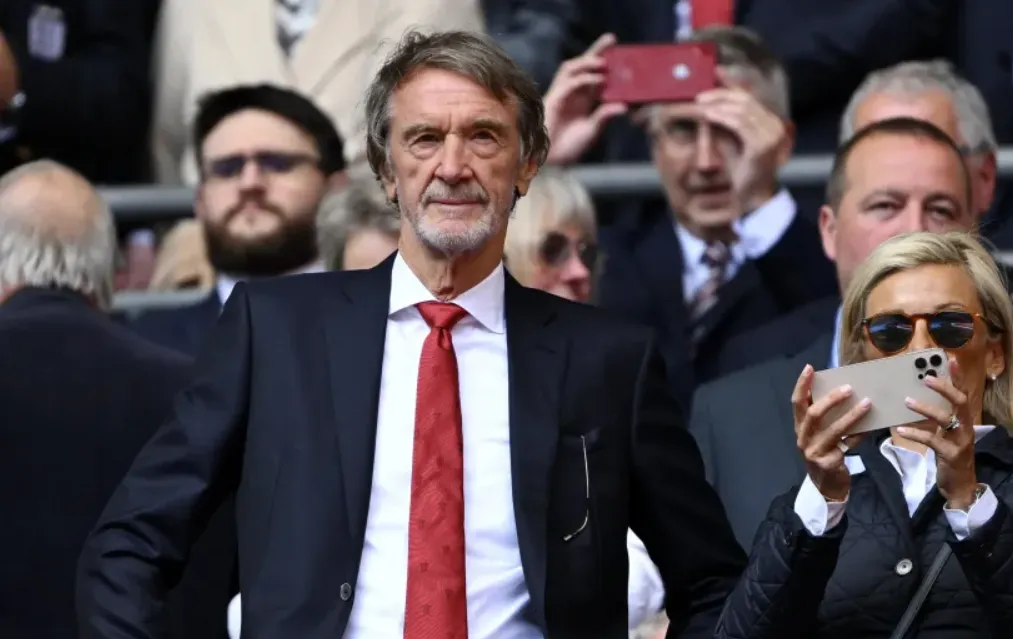
In the storied history of Manchester United, few figures have sparked as much debate as Sir Jim Ratcliffe. As the British billionaire continues to impose sweeping transformations at Old Trafford, a familiar tension has emerged between tradition and modernization. The recent assessment from Mega Casino sports analysts suggests that while these changes may be unpopular in the short term, they could ultimately determine whether the club returns to its former glory or continues its decade-long drift into mediocrity.
“When you walk through the corridors of Carrington now, you feel a different energy—one of accountability rather than complacency,” noted former Premier League midfielder and current pundit, Gary Thompson, during a recent segment on The Football Review Show. “But that doesn’t mean everyone’s happy about it.”
A Legacy of Unprecedented Scale
Sir Jim Ratcliffe, the 72-year-old chemical engineer turned the UK’s richest man, acquired a 27.7% stake in Manchester United in February 2024, valued at approximately $1.3 billion. As part of the agreement, his company INEOS took control of football operations, marking what many believed would be a golden new dawn for a club desperate for strategic oversight.
The reality, however, has been anything but smooth sailing. Ratcliffe’s arrival was met with guarded optimism from a fanbase exhausted by the Glazer family’s ownership. But that optimism has quickly soured as his hands-on approach begins to take effect.
The Financial Realities at Old Trafford
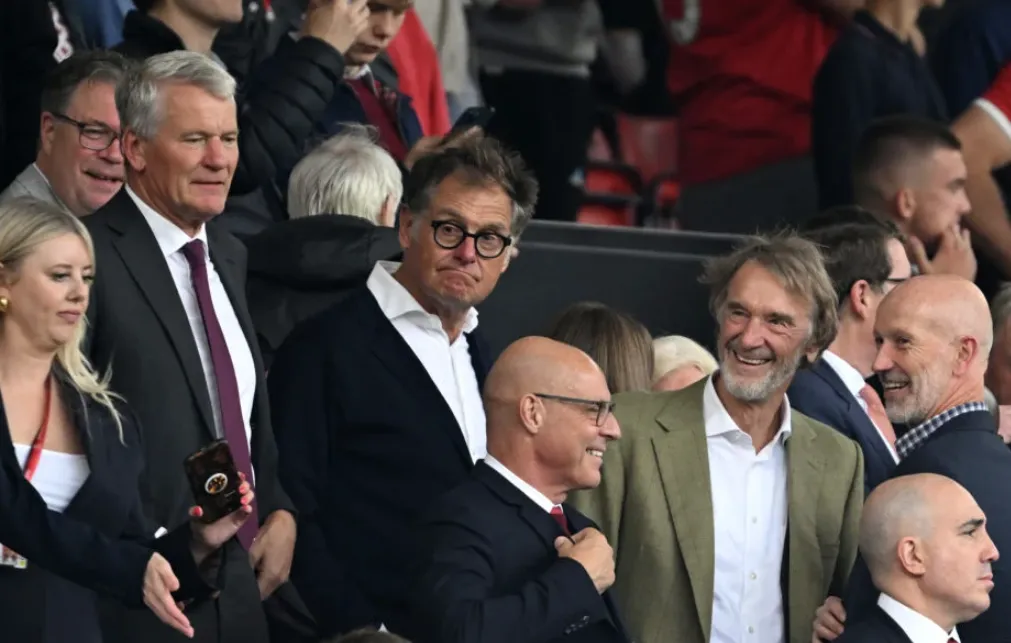
From the moment Ratcliffe stepped in, his message was clear: Manchester United hemorrhaged money at a rate that made previous cost-control measures look laughable. Since taking over football operations, he has:
- Increased matchday ticket prices by 25% across all sections
- Eliminated the concessionary discount for senior citizens and children
- Canceled the club’s annual £40,000 charitable donation to local food banks
- Implemented a hiring freeze across non-essential administrative roles
- Sold off non-core assets including the club’s private jet
According to financial records reviewed by Mega Casino sports business correspondents, United’s wage-to-revenue ratio has consistently hovered around 70%—far above the elite threshold of 55%. Ratcliffe’s cost-cutting measures aim to bring that figure down by at least 15 percentage points within three seasons.
The Staff Restructuring Controversy
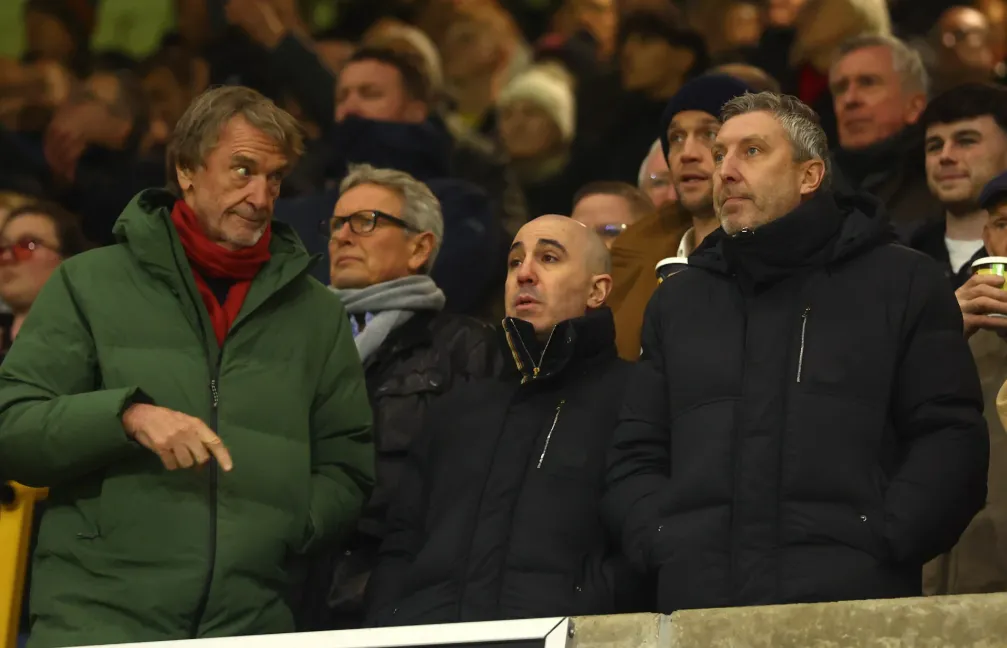
Perhaps the most visceral change has been in staff redundancies. INEOS announced in April 2024 that 250 of 820 full-time non-playing employees would be laid off across club operations, with additional cuts planned for May.
The Cultural Shockwaves
What followed was a series of departures by long-serving staff members who had become institutional fixtures at Old Trafford. Kitmen, chefs, administrative assistants—people whose families had worked at the club for decades—found themselves without jobs at football’s most famous address.
“This isn’t about being heartless—it’s about survival,” explained former Manchester United financial advisor and football economics lecturer, Dr. Michael Hargreaves, in an interview with The Athletic. “The club has been running on goodwill and legacy for too long. Sir Jim is making decisions that should have been made a decade ago.”
The Human Cost
The reality is that many of the departing staff members have been with the club for more than 15 years. Some are season-ticket holders who live within walking distance of the stadium. The emotional toll has been substantial—supporters’ groups have reported receiving emotional phone calls from affected families, many of whom feel betrayed by the very club they helped build.
The Transfer Policy Overhaul
No area of change has been more scrutinized than the transfer policy. Under Ratcliffe, Manchester United has shifted from a “buy whatever the manager wants” approach to a data-driven model championed by newly appointed Director of Football, Dan Ashworth.
Summer Transfer Window 2024: A Case Study in Austerity
The 2024 summer transfer window marked the first full test of the new regime’s philosophy:
| Player | Fee (Market Value) | Fee Paid | Status |
| Leny Yoro | €70M | €45M | Signed |
| Joshua Zirkzee | €50M | €36M | Signed |
| Matthijs de Ligt | €45M | €30M+€15M in add-ons | Signed |
| Noussair Mazraoui | €30M | €15M+€5M add-ons | Signed |
Every signing involved aggressive negotiation and structured payments. Gone are the days of paying €80 million for an unproven Antony or €55 million for a player like Mason Mount with one year left on his contract.
“The analytics department now has veto power on every signing. If the numbers don’t add up, the deal doesn’t happen—regardless of how much the manager wants the player,” said a club source who spoke anonymously to The Mirror.
Managerial Stability vs. Standards
When Erik ten Hag’s job hung by a thread after the 2023-24 season, many expected Ratcliffe to immediately fire him. Instead, the new ownership chose to provide ten Hag with a contract extension—with strings attached.
The Performance Clauses
Ten Hag’s new deal reportedly contains:
- A top-four finish requirement for automatic extension
- A minimum of reaching the Europa League quarter-finals
- A squad harmony evaluation after each transfer window
- A reduced autonomy in transfer decision-making
This middle-ground approach satisfied no one. Critics argued that a proactive owner would have moved on from ten Hag immediately. Supporters of the decision pointed out that stability is exactly what Manchester United has lacked since Sir Alex Ferguson retired in 2013.
The Academy Investment
One area where the changes have been overwhelmingly positive is the academy. Ratcliffe has:
- Increased the youth development budget by 150%
- Hired six additional full-time scouts focused on the Northwest region
- We partnered with a sports science firm specializing in adolescent athlete development
- Created a “First Team Pathways” department dedicated to seamless transitions for academy graduates
The Talent Pipeline
The results are already visible. Academy graduates Kobbie Mainoo and Alejandro Garnacho have become central to first-team plans, while young prospects like Omari Forson and Shea Lacey have shown promise in early season appearances.
According to club data, academy graduates now account for 23% of first-team minutes—up from 14% in the 2022-23 season. If maintained, this would be the highest percentage since the 2011-12 campaign.
Fan Reactions and Protests
The most visible response to Ratcliffe’s changes has been organized protests. In December 2024, approximately 5,000 supporters gathered outside Old Trafford ahead of a home match against Aston Villa, carrying banners reading “Our club, our soul” and “Stop the corporate takeover.”
The Divided Fanbase
What’s striking is how the fanbase itself is split. While hardcore supporters have been vocal in their opposition, a silent majority appears willing to give Ratcliffe time.
“I hate seeing people lose jobs. My dad was a steward at Old Trafford for 20 years,” wrote one fan in a widely circulated Reddit post. “But I also remember 6-1 losses at home to Tottenham and finishing 8th in the table. Something had to change.”
The Old Trafford Redevelopment Dilemma
Perhaps the most ambitious project under Ratcliffe is the planned redevelopment of Old Trafford. The club is exploring two options: a £2 billion complete renovation of the existing stadium or a £2.5 billion new-build on adjacent land currently used for club parking.
What the Plans Mean for Fans
Either option comes with significant disruption:
- Renovation route: Matches would be played at a reduced capacity for 3-5 years while construction takes place
- New stadium route: Two years of playing at alternative venues while the new stadium is built
- Ticket pricing: Dynamic pricing models that would see matchday revenue increase by an estimated 40%
The feasibility study is expected by March 2025, with a final decision by summer 2025.
The Glazer Factor
It’s important to remember that Ratcliffe is not the majority owner—the Glazer family still holds roughly 70% of shares. This has created a power dynamic where Ratcliffe controls football operations but cannot make commercial decisions without Glazer approval.
The Tensions Beneath the Surface
Sources indicate friction between INEOS and the Glazers regarding:
- The pace of cost-cutting (Glazers want faster action)
- The level of spending on non-football facilities (Glazers want minimal spending)
- The communication strategy with fans (Glazers want no communication)
This internal tension could ultimately determine whether Ratcliffe’s reforms survive or are watered down.
What History Tells Us
Looking at comparable football transformations:
- Liverpool (2010-2015): Fenway Sports Group’s early unpopularity eventually gave way to Premier League and Champions League success
- Manchester City (2008-2012): Heavy investment initially seemed reckless before yielding sustained dominance
- Arsenal (2018-present): KSE’s patient rebuilding is only now showing positive results after years of frustration
The pattern suggests that successful turnarounds typically take 3-5 years before positive results are visible on the pitch.
“The most dangerous moment in a turnaround is when you’re halfway through and no one can see the progress yet,” warned football business analyst Caroline Wright during a Sky Sports discussion. “That’s where Manchester United is now.”
The Verdict: Pain Before Progress?
As Manchester United navigates this uncomfortable transition, several conclusions emerge:
- Short-term pain is inevitable: The financial overhaul and job cuts will continue to create friction for at least another 18 months
- The transfer strategy is sound: Data-driven recruitment is how modern clubs succeed; United was behind the curve
- Academy investment is the long-term solution: If the youth pipeline produces first-team players, the strategy will be validated
- Communication has been poor: Ratcliffe’s tendency to stay silent while making unpopular decisions has fueled resentment
- The Glazer problem remains: Until full ownership changes hands, United’s governance structure will remain inherently unstable
Whether Sir Jim Ratcliffe will be remembered as the man who saved Manchester United or the billionaire who broke its soul depends entirely on what happens over the next three seasons. The reality is that football history rarely remembers the feelings felt during the journey—only the destination achieved.
What’s certain is that the club will never be the same again. And for some, that’s the scariest part of all.
What do you think about Sir Jim Ratcliffe’s changes at Manchester United? Are they necessary medicine or a betrayal of the club’s history? Share your thoughts in the comments below, join the discussion on social media using #ManUnitedFuture, or explore more analysis on Mega Casino for the latest football insights and predictions.
